Working as an IoT Engineer is a bit like being a translator—bridging the gap between physical devices and the digital world. No two days are the same. There are always new challenges, unexpected bugs, and the occasional “how did this even happen?” moment. But that’s exactly what keeps the work engaging.
My day kicks off with coffee—non-negotiable. Some mornings I jump straight into technical tasks; other times, I’ll sync with the team to clarify priorities or adjust plans. My commute by public transport gives me a quiet window to think through the day. It’s often when I outline a mental to-do list or reflect on ongoing issues that need a fresh angle.
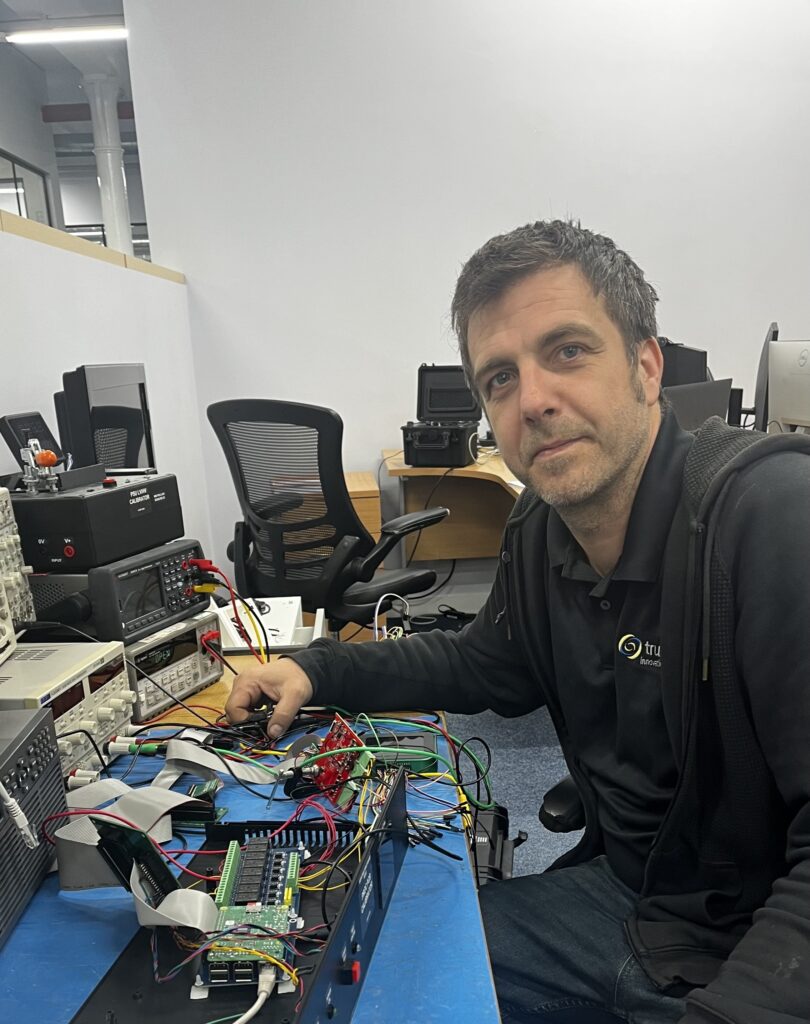
A standout project I’ve worked on involves developing PCB calibrators for our production line. It’s a complex setup—managing multiple communication protocols, controlling external devices like signal generators and multimeters, and sending calibration data to the cloud. Once the system is ready, it’s deployed to our facility in Malaysia, and I support it remotely with a full duplicate test rig here. It’s very different from my usual platform work, which focuses more on server maintenance, system performance, and solving cloud-related issues.
Despite all the hands-on technical work, collaboration is key. On longer projects, sharing progress and celebrating small wins really helps keep the team motivated. When things get difficult—and they do—I take a step-by-step approach. I break problems down, isolate the root causes, and work through solutions patiently. Overwhelming is part of the process sometimes, but sticking with it always pays off.
What customers often don’t see is the effort behind keeping systems running reliably. From secure provisioning and firmware updates to platform performance and data handling, there’s a constant need for monitoring and improvement. A connected product isn’t something you build once and forget—it’s a living system that needs regular care.
For anyone thinking about a career in IoT, my advice is to start exploring. If you’ve set up smart devices at home or played with a Raspberry Pi, you’re already building the right mindset. Curiosity and a genuine interest in how things work will carry you far. Technology moves fast, so being adaptable and eager to learn is just as important as technical skill.
I try to end my day with a small win—closing out a bug, wrapping up a task, etc. It helps me stay focused and start the next day with clarity.
IoT engineering is about making complex systems feel simple and dependable. If you like solving real-world problems and working across both hardware and software, it’s a dynamic and rewarding path to take.